

Basic Life Support (BLS)
Popular Courses
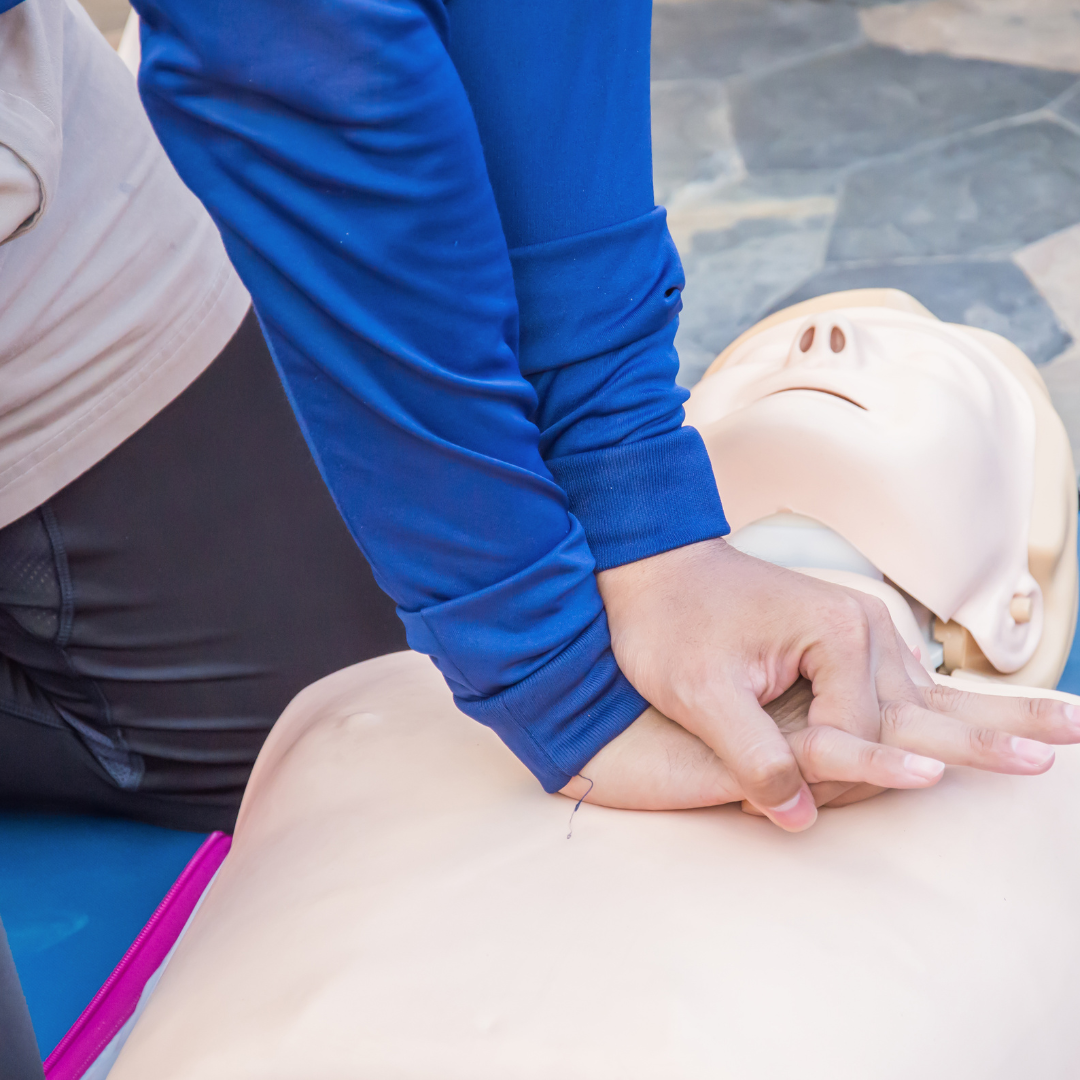

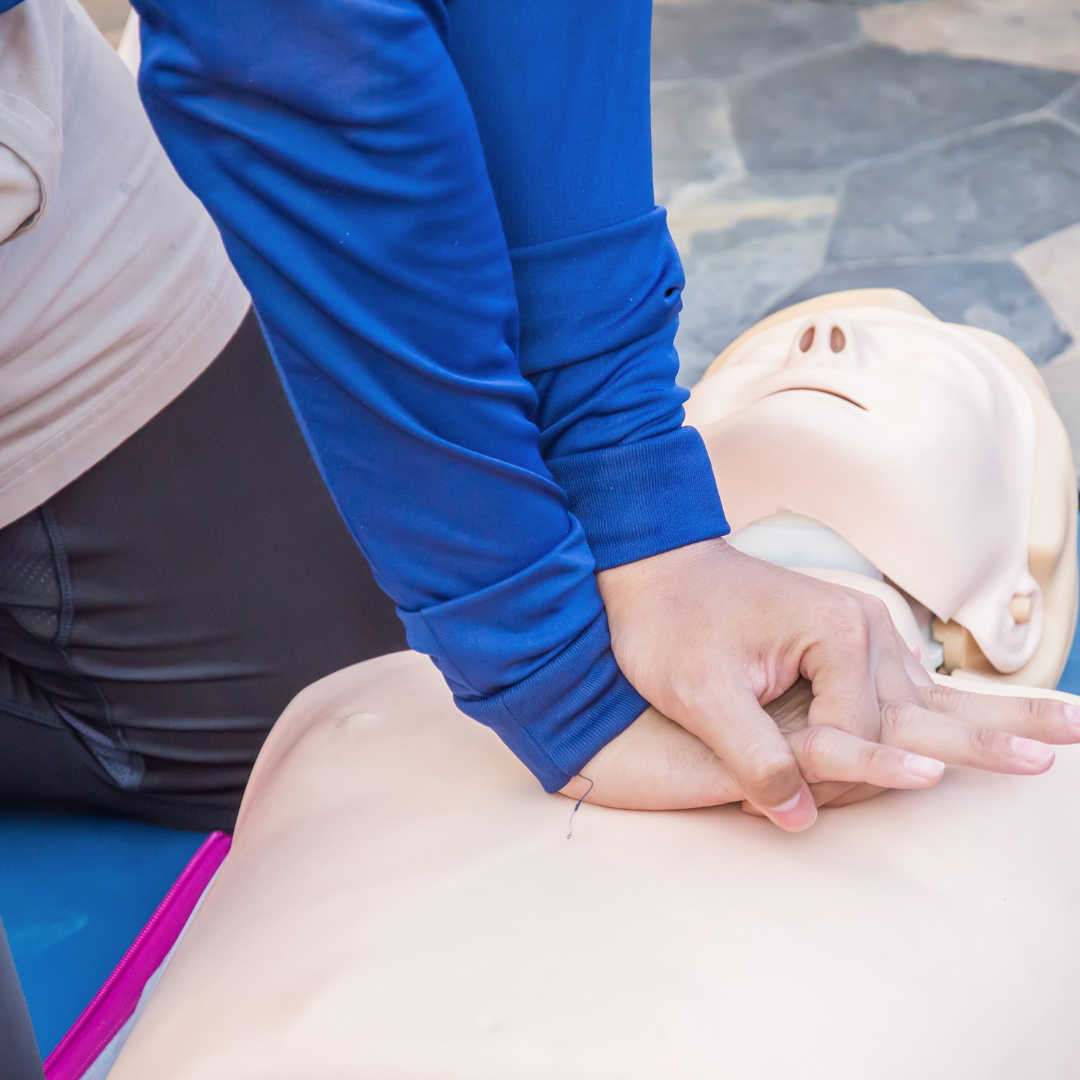
Basic Life Support (BLS) Training in Abu Dhabi
Basic Life Support (BLS) training teaches participants how to recognise life-threatening emergencies and respond with essential lifesaving skills. The course covers high-quality Cardiopulmonary Resuscitation (CPR), Automated External Defibrillator (AED) use, choking response, airway management, emergency recognition, and team-based resuscitation.
Onyx Education and Development Institute offers Basic Life Support training in Abu Dhabi as a one-session, 6-hour course. The currently listed course fee is AED 399. Participants who successfully complete the required training and practical assessment receive the applicable BLS certification.
BLS Training in Abu Dhabi: Course at a Glance
| Course Detail | Information |
|---|---|
| Course | Basic Life Support (BLS) |
| Location | Abu Dhabi |
| Duration | 6 hours |
| Sessions | 1 session |
| Course Fee | AED 399 |
| Training Focus | CPR, AED, choking, airway management, and emergency response |
| Assessment | Practical skills assessment |
| Certification | HSI BLS certification, as currently stated on the course page |
| Certification Validity | Typically two years, subject to the applicable certification requirements |
Looking for practical and professional BLS training in Abu Dhabi? Enquire about the next available course session today.
What Is Basic Life Support (BLS) Training?
Basic Life Support (BLS) is emergency response training that teaches participants how to provide immediate assistance during potentially life-threatening situations, particularly cardiac and respiratory emergencies.
A BLS course focuses on recognising an emergency, starting appropriate CPR, using an AED, responding to choking, maintaining an open airway, and working effectively during a resuscitation attempt.
For healthcare professionals and other eligible responders, BLS training provides foundational skills that can be used in both healthcare and emergency settings.
What Does BLS Training in Abu Dhabi Cover?
The BLS course is designed around practical emergency response skills rather than theory alone. Participants learn how to recognise emergencies and take appropriate action while waiting for or working alongside advanced medical care.
Cardiopulmonary Resuscitation (CPR)
Participants learn the principles of high-quality CPR, including chest compressions, rescue breathing, and appropriate CPR techniques for different age groups.
The course covers:
- Adult CPR
- Child CPR
- Infant CPR
- Chest compressions
- Rescue breathing
- Appropriate hand positioning and compression techniques
- Single-rescuer response
- Team-based resuscitation
Automated External Defibrillator (AED) Training
AED training helps participants understand how to respond when an AED is available during a cardiac emergency.
Participants learn:
- How an AED works
- How to operate an AED safely
- Correct AED pad placement
- How to follow device prompts
- Safety precautions during defibrillation
- How AED use fits into an emergency response
Choking Response
BLS training also covers how to respond when a person experiences an airway obstruction.
Participants learn appropriate emergency response techniques for:
- Adults
- Children
- Infants
- Conscious choking victims
- Unconscious choking victims
Airway Management
Participants learn how to recognise airway obstruction and apply appropriate techniques to help maintain an open airway.
The course also introduces the recovery position and other essential airway-management considerations.
Recognition of Life-Threatening Emergencies
Early recognition can help responders act quickly. The course addresses recognition of emergencies such as:
- Cardiac arrest
- Respiratory arrest
- Stroke symptoms
- Heart attack symptoms
- Airway obstruction
The objective is to help participants recognise when immediate emergency action is required.
Team Dynamics During Resuscitation
Effective emergency response often requires coordinated teamwork. Participants learn about role allocation, communication, and transitions between team members during a resuscitation scenario.
Who Should Take BLS Training in Abu Dhabi?
BLS training is particularly relevant to professionals who may need to respond to a cardiac, respiratory, or other life-threatening emergency as part of their work.
The course may be suitable for:
- Nurses
- Doctors
- EMTs
- Paramedics
- Dentists
- Dental assistants
- Physiotherapists
- Home healthcare professionals
- Hospital staff
- Clinic staff
- Police personnel
- Firefighters
- Other trained first responders
Healthcare students and professionals should always confirm the specific certification requirements of their employer, educational institution, or relevant authority before selecting a course.
Professionals looking to build broader healthcare skills can also explore our CNA training course.
BLS Certification in Abu Dhabi
BLS certification confirms that a participant has completed the applicable Basic Life Support training and met the course assessment requirements. The certification provider determines the specific course requirements, certificate or completion card, and validity period.
At Onyx Education and Development Institute, the current BLS course information identifies the programme as an HSI BLS certification course, with certification awarded after successful completion of the course and practical assessment.
What Does BLS Certification Cover?
A BLS certification programme generally demonstrates training in foundational lifesaving skills such as:
- CPR
- AED use
- Choking response
- Emergency recognition
- Airway management
- Rescue breathing
- Team-based resuscitation
Certification requirements can vary according to the issuing organisation and the requirements of an employer or professional body.
How Long Is BLS Certification Valid?
The current Onyx course page states that its HSI BLS certification is typically valid for two years. Participants should confirm the exact validity period and renewal requirements applicable to their certification before enrolment.
If you are specifically searching for BLS certification in Abu Dhabi, check both the certification provider and whether the credential meets your employer's or institution's requirements.
Need BLS certification for your professional role? Contact Onyx to confirm the current course and certification details.
BLS Course Duration and Fee in Abu Dhabi
The current Onyx BLS programme is listed as:
- Duration: 6 hours
- Format: 1 session
- Course fee: AED 399
The fee, schedule, and course availability may change, so participants should confirm the latest information before registering.
For current enrolment information, visit our Contact us page.
What Skills Will You Gain From BLS Training?
A BLS course is designed to build practical skills that can be applied during an emergency.
After completing the relevant training and assessment, participants can develop knowledge of:
- Recognising cardiac and respiratory emergencies
- Performing CPR
- Using an AED
- Responding to choking
- Supporting airway management
- Providing appropriate rescue breathing
- Working as part of a resuscitation team
- Communicating effectively during an emergency response
These skills are particularly relevant to healthcare professionals, first responders, and others whose roles may involve responding to medical emergencies.
Benefits of Basic Life Support Training
BLS training can help participants develop confidence and practical knowledge for responding to life-threatening emergencies.
Key benefits include:
- Develop essential CPR skills
- Learn how to use an AED
- Understand emergency recognition
- Practise lifesaving response techniques
- Learn how to respond to choking
- Improve emergency teamwork and communication
- Strengthen workplace emergency preparedness
- Support professional development requirements where applicable
BLS training should be viewed as practical emergency preparedness rather than simply a certificate. Regular refresher training may also be appropriate depending on the certification provider and professional requirements.
BLS vs First Aid: What Is the Difference?
BLS and First Aid overlap in emergency response but have different primary focuses.
| BLS | First Aid |
|---|---|
| Focuses strongly on lifesaving resuscitation skills | Covers a wider range of injuries and illnesses |
| Includes CPR | May include wound and bleeding management |
| Includes AED training | May cover burns, fractures and other injuries |
| Covers choking response | Covers broader first-aid situations |
| Commonly relevant to healthcare professionals | Often used across workplaces, schools and community settings |
The right course depends on your professional role, workplace requirements and the skills you need.
BLS vs ACLS: What Is the Difference?
BLS provides foundational life-support skills, while ACLS is an advanced cardiovascular life-support programme designed for healthcare professionals dealing with more complex cardiovascular emergencies.
Basic Life Support
BLS focuses on:
- CPR
- AED use
- Basic emergency recognition
- Choking response
- Basic airway management
- Team resuscitation
Advanced Cardiovascular Life Support
ACLS addresses more advanced cardiovascular emergency management, including complex resuscitation scenarios.
If you are unsure which programme is appropriate for your professional role, check your employer's training requirements before registering.
How to Get BLS Certification in Abu Dhabi
Getting started with a BLS course can be straightforward:
Step 1: Check Your Course Requirements
Confirm whether your employer, healthcare institution, educational programme, or professional role requires a particular BLS certification provider.
Step 2: Review the Course Details
Check the duration, course fee, schedule, location, assessment process, and certification information.
Step 3: Attend the BLS Training
Participate in the scheduled training session and practise the relevant CPR, AED, and emergency response skills.
Step 4: Complete the Required Assessment
Participants must meet the applicable course requirements and practical assessment criteria.
Step 5: Receive Your Certification
Successful participants receive the applicable BLS certification according to the certification provider's requirements.
Ready to develop essential CPR and emergency response skills? Register your interest in the next BLS training session.
Why Choose Onyx Education and Development Institute for BLS Training?
Choosing a BLS provider involves more than comparing prices. Participants should consider the course content, certification provider, trainer credentials, practical skills training, and whether the certification meets their professional requirements.
Onyx Education and Development Institute provides healthcare-focused training alongside a wider selection of professional education programmes.
Learners can explore our internationally accredited courses to find additional programmes relevant to their career goals.
When comparing BLS providers, always verify:
- Certification provider
- Instructor qualifications
- Practical training arrangements
- Course duration
- Assessment requirements
- Certificate validity
- Employer acceptance
- Current course fee
- Available course dates
Frequently Asked Questions (FAQs)
1. What is BLS training?
BLS training is emergency response training that teaches participants essential lifesaving skills such as CPR, AED use, choking response, airway management, and emergency recognition.
2. Who needs BLS certification?
BLS certification is commonly relevant to healthcare professionals, trained first responders, and healthcare students. Specific requirements depend on the person's role, employer, and organisation.
3. How much does BLS training cost in Abu Dhabi?
The BLS course currently listed by Onyx Education and Development Institute costs AED 399. Course fees should be confirmed before registration because pricing can change.
4. How long does BLS training take?
The current BLS course offered by Onyx Education and Development Institute is listed as a 6-hour programme delivered in one session.
5. What does a BLS course include?
A BLS course typically includes CPR, AED use, choking response, airway management, emergency recognition, rescue breathing, and team-based resuscitation skills.
6. Is BLS the same as CPR?
No. CPR is one of the core skills taught during BLS training, while BLS covers a broader set of emergency response skills, including AED use, choking response, and team-based resuscitation.
7. Does BLS training include AED training?
Yes. AED operation, correct pad placement, device prompts, and safety precautions are important components of BLS training.
8. Does BLS include infant and child CPR?
The current Onyx course outlines CPR training for adults, children, and infants, along with appropriate emergency response techniques.
9. How long is BLS certification valid?
The current Onyx course page states that its HSI BLS certification is typically valid for two years. Participants should confirm the exact validity period and renewal requirements before enrolment.
10. Is BLS certification required for nurses?
BLS certification may be required or recommended for nurses depending on their employer, role, healthcare facility, and applicable professional requirements. Nurses should confirm the exact requirements with their employer or institution.
11. Is BLS certification required for doctors?
BLS certification requirements for doctors depend on their role, workplace, and professional requirements. Doctors should confirm which certification their employer or institution accepts.
12. What is the difference between BLS and First Aid?
BLS focuses heavily on CPR, AED use, and immediate lifesaving response, while First Aid generally covers a broader range of injuries, illnesses, and emergency situations.
13. What is the difference between BLS and ACLS?
BLS provides foundational life-support skills such as CPR and AED use, while ACLS focuses on advanced cardiovascular emergency management for appropriately trained healthcare professionals.
14. Can I take BLS training online?
BLS delivery options depend on the certification provider and course format. Participants should confirm whether the course includes classroom, blended, or online learning and whether a hands-on skills assessment is required.
15. How do I enrol for BLS training in Abu Dhabi?
To enrol, review the current course schedule and fee, confirm that the certification meets your requirements, and submit your registration or enquiry to Onyx Education and Development Institute through the Contact Us page.
Explore More Healthcare Training Courses
BLS training can provide an important foundation for professionals working in healthcare and patient-support environments. Depending on your career goals, you may also explore related healthcare education programmes.
If you are interested in patient-care roles, consider our certified caregiver professional programme.
For additional healthcare education resources and updates, visit the Onyx Blog.
Enrol for BLS Training in Abu Dhabi
Whether you are a healthcare professional, student, or first responder, the right BLS training can help you build practical skills for responding to life-threatening emergencies.
Take the next step towards professional BLS training in Abu Dhabi and enquire about the next available session.